Comoros, an archipelago located in the Indian Ocean off the eastern coast of Africa, faces significant challenges from climate change. Like many small island states (SIDS), Comoros is disproportionately affected by the environmental and socio-economic developing impacts of climate change, even though it contributes minimally to global greenhouse gas emissions. The country's geography, economy, and environmental systems are highly vulnerable to rising sea levels, changes in weather patterns, and extreme weather events. This article explores the environmental impacts of climate change in Comoros and examines the adaptation strategies the country is adopting to mitigate its effects and enhance resilience.
Environmental Impacts of Climate Change in Comoros
1. Rising Sea Levels
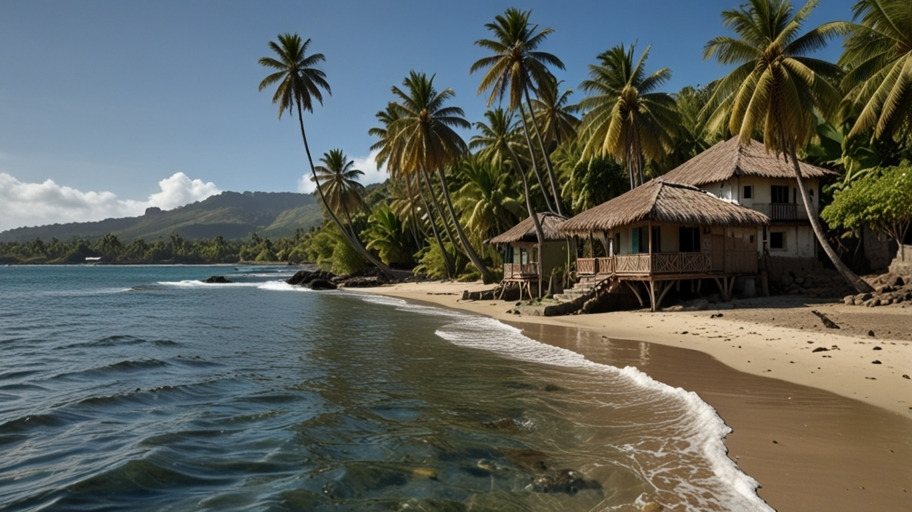
One of the most significant threats posed by climate change to Comoros is the rise in sea levels. As global temperatures increase, glaciers and polar ice caps melt, and the thermal expansion of seawater contributes to higher ocean levels. For a country like Comoros, where much of the population lives in coastal areas, rising sea levels pose a direct threat to livelihoods, infrastructure, and ecosystems.
Low-lying coastal regions are particularly vulnerable to flooding, saltwater intrusion, and coastal erosion. These phenomena not only threaten homes and public infrastructure, such as roads and ports, but also affect agricultural lands, which are vital for the food security of the population Additionally, the saltwater intrusion into freshwater aquifers can make water supplies undrinkable, compounding water scarcity issues in the country.
2. Extreme Weather Events
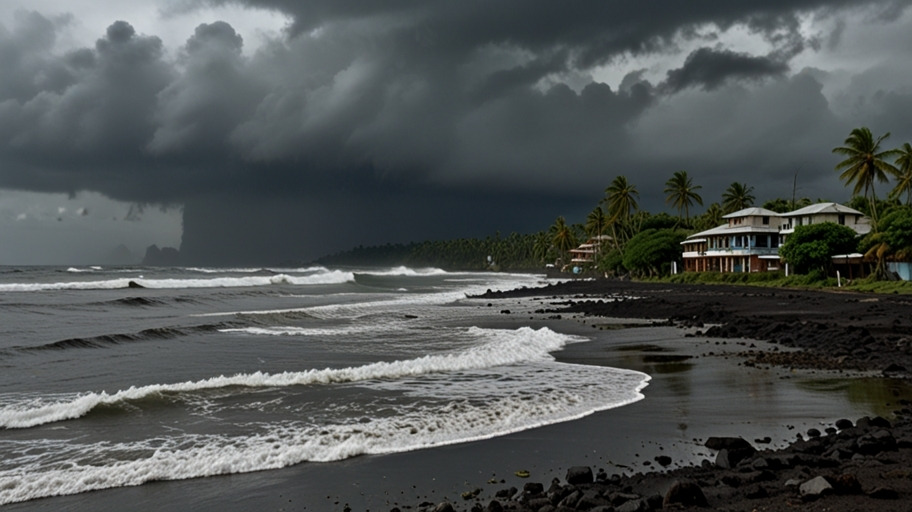
Comoros is already experiencing an increase in the frequency and intensity of extreme weather events, such as tropical cyclones, floods, and droughts, due to climate change. Tropical cyclones, which occur seasonally in the region, bring heavy rainfall, strong winds, and storm surges, often resulting in widespread destruction of property, infrastructure, and agricultural crops. The tropical cyclone Kenneth, which hit Comoros in April 2019, is a recent example of the devastation that can be caused by such events. It resulted in significant damage to homes , schools, health centers, and the agricultural sector, affecting over 345,000 people in Comoros.
On the other hand, periods of prolonged droughts are becoming more frequent, leading to water shortages and reduced agricultural productivity. As agriculture is a primary source of income and sustenance for many Comorians, droughts severely impact food security, leading to increased dependence on food imports .
3. Impact on Marine and Coastal Ecosystems
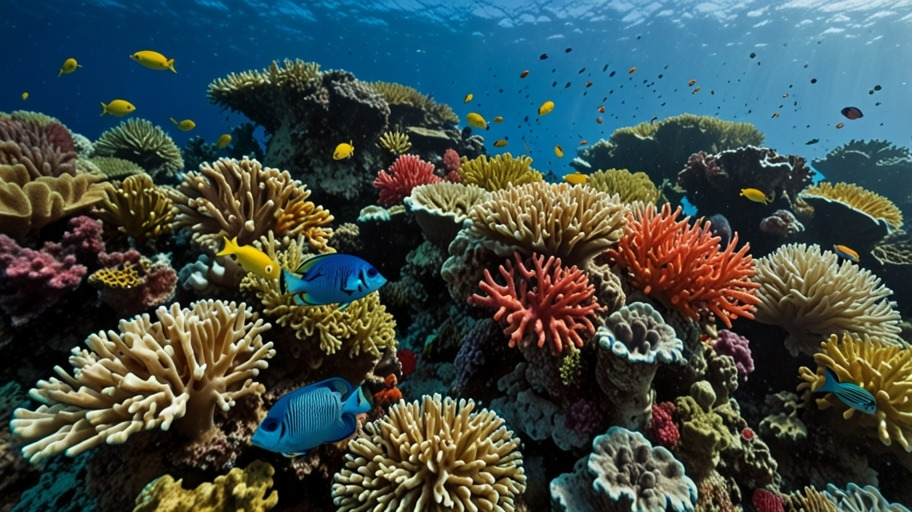
The archipelago of Comoros is known for its rich marine biodiversity, including coral reefs, mangroves, and seagrass beds. These ecosystems play a crucial role in supporting fisheries, protecting coastlines, and providing livelihoods for local communities. However, rising sea temperatures and ocean acidification caused by increased carbon dioxide (CO2) levels are threatening the health of these ecosystems.
Coral reefs, in particular, are highly sensitive to temperature changes. Coral bleaching occurs when water temperatures rise above normal levels, causing corals to expel the symbiotic algae living within their tissues. This not only diminishes the coral's vibrant color but also weakens its ability to survive, leading to large-scale coral die-offs. In Comoros, coral reefs are critical for coastal protection and the fishing industry, and their decline could lead to more frequent coastal erosion, reduced fish stocks, and negative impacts on tourism.
Similarly, mangroves, which provide a buffer against storm surges and erosion, are also under threat due to rising sea levels and changing precipitation patterns. The loss of these habitats could have cascading effects on biodiversity, fisheries, and local communities who depend on them for protection and resources.
4. Impact on Agriculture and Food Security
Agriculture is a key sector in Comoros, with the majority of the population relying on subsistence farming. The cultivation of crops such as vanilla, cloves, and ylang-ylang, which are major export products, forms the backbone of the economy. However, climate change is posing significant risks to agricultural productivity.
Changing rainfall patterns, prolonged droughts, and increased temperatures are affecting crop yields and making farming more challenging. Farmers are experiencing shorter growing seasons, soil degradation, and increased pest infestations, all of which contribute to lower agricultural output. These impacts are compounded by the limited availability of arable land on the islands, making it even more difficult for farmers to adapt to changing conditions.
As food production declines, Comoros faces breathtaking food insecurity, increasing the country's reliance on imports to meet its food needs. This not only puts a strain on the economy but also makes the country vulnerable to fluctuations in global food prices and supply chain disruptions.
Adaptation Strategies to Climate Change in Comoros
Recognizing the existential threat posed by climate change, Comoros has made efforts to develop and implement adaptation strategies. These strategies aim to reduce the country's vulnerability to climate change while promoting sustainable development and improving resilience in key sectors such as agriculture, fisheries, water resources, and infrastructure.
1. Sustainable Agriculture Practices
One of the primary strategies for adapting to climate change in Comoros is the promotion of sustainable agriculture practices that are resilient to changing climate conditions. Farmers are being encouraged to adopt techniques such as agroforestry, crop diversification, and water conservation practices to improve productivity and reduce vulnerability to droughts and erratic rainfall patterns.
Agroforestry, which involves integrating trees into agricultural landscapes, helps improve soil fertility, reduce erosion, and enhance water retention. In addition, it provides an additional source of income through the harvesting of timber and non-timber forest products. Crop diversification, where farmers plant a variety of crops rather than relying on a single cash crop, helps reduce the risks associated with crop failure due to climate variability.
The government, in partnership with international organizations such as the Food and Agriculture Organization (FAO) and the Global Environment Facility (GEF), is also working to develop climate-smart agricultural technologies and practices that can improve resilience and productivity. resistant crop varieties, improved irrigation systems, and soil management techniques that enhance water use efficiency.
2. Coastal Zone Management and Protection
Given the vulnerability of coastal areas to sea-level rise and extreme weather events, the Comorian government has prioritized coastal zone management and protection as a key adaptation strategy. Efforts are being made to rehabilitate and protect coastal ecosystems such as mangroves and coral reefs, which act as natural barriers against storm surges and erosion.
Community-based initiatives, supported by international partners, have been established to restore degraded mangrove forests through reforestation and sustainable management practices. These initiatives not only help protect coastal communities from the impacts of climate change but also support biodiversity conservation and fisheries livelihoods.
Furthermore, the government is working to strengthen infrastructure in coastal areas by adopting climate-resilient building codes and promoting the construction of sea walls, elevated buildings, and other protective measures. These efforts are crucial in safeguarding key infrastructure, such as schools, hospitals, and transport networks, from climate-related hazards.
3. Water Resource Management
Water scarcity is an increasing concern in Comoros due to the combined effects of climate change and population growth. To address this issue, the country is investing in improved water resource management practices and infrastructure.
Rainwater harvesting systems are being promoted as a cost-effective way to capture and store rainwater for domestic and agricultural use, particularly in rural areas where access to clean water is limited. Additionally, efforts are being made to improve the efficiency of existing water supply systems and reduce water losses through leakage.
The government is also exploring the potential for small-scale desalination plants to provide fresh water in areas where groundwater sources are becoming saline due to saltwater intrusion. However, the high costs of desalination remain a challenge for widespread adoption.
4. Strengthening Early Warning Systems
To reduce the impacts of extreme weather events, Comoros is working to strengthen its early warning systems and disaster preparedness. By improving weather forecasting capabilities and communication networks, the country can provide timely warnings to communities in the path of cyclones, floods, or droughts.
Community-based disaster risk reduction programs are also being implemented to raise awareness and build local capacity to respond to climate-related emergencies. These programs focus on educating communities about evacuation plans, building cyclone-resistant shelters, and ensuring that vulnerable populations are prioritized in disaster response efforts.
5. International Support and Climate Finance
As a small, nation with limited financial and technical resources, Comoros relies heavily on international support to implement its climate adaptation strategies. The country has been actively engaging with international climate finance mechanisms, such as the Green Climate Fund (GCF) and the Adaptation developing Fund, to secure funding for climate resilience projects.
Through partnerships with multilateral organizations and donor countries, Comoros has been able to access funding for projects aimed at improving agricultural resilience, protecting biodiversity, enhancing coastal defenses, and upgrading infrastructure to withstand climate impacts.
Conclusion
The effects of climate change in Comoros are profound and multifaceted, touching nearly every aspect of life on the islands. Rising sea levels, extreme weather events, and disruptions to agriculture and fisheries threaten the livelihoods and well-being of the population. However, the country is making significant efforts to adapt to these challenges through sustainable agriculture, coastal protection, improved water management, and disaster preparedness. While progress is being made, Comoros will continue to require strong international cooperation and financial support to build resilience and protect its people and ecosystems from the ongoing and future impacts of climate change.
4o